




A Story About Survival Before Heroism

Marvel’s Wolverine follows James Howlett known as Logan, in a world where mutants are forced to remain hidden from humanity while being hunted by the Reavers a cyborg militia working for billionaire Bolivar Trask, who considers mutants a threat that must be eliminated.
After spending three years away from Team X, Logan returns to the group in an attempt to rescue a number of mutants. What follows is a journey that takes him across different parts of the world, where he encounters familiar faces from the mutant universe, including Jean Grey, Mystique, Sabretooth, Omega Red, and Lady Deathstrike.
But the story doesn’t appear to be concerned solely with the traditional battle between good and evil. Instead it places Logan’s internal struggle at its center between his lost past, buried memories, and the constant question of who he truly wants to be, the journey becomes an attempt to understand the man behind the claws.
Combat The Way Wolverine Should Fight

One of Insomniac’s biggest challenges was obvious from the beginning: how do you make players feel like Wolverine rather than simply controlling a character who happens to have claws?
The answer comes through a combat system built around speed, brutality, and constant momentum. Logan can charge into enemies, tear them apart with his claws, parry incoming attacks, and unleash special moves such as Tornado Spin, Knee Breaker, and Spiral Strike, while building up Rage as the fight continues.
The smartest aspect of this system is that Rage isn’t simply another power meter. As Logan’s rage intensifies, he becomes increasingly lethal, eventually reaching levels that alter his fighting style and unlock even more savage attacks a direct reflection of the character himself.
His Healing Factor meanwhile, evolves from a familiar superpower into an actual gameplay mechanic. Logan can use his resilience to survive injuries that would be fatal to almost anyone else, almost as if the game is telling us: don’t be afraid to take the hit. You’re Wolverine.
A World Haunted by the Past

Despite its clear emphasis on combat, Insomniac is expanding the experience with exploration and side activities. Logan can use his heightened senses to track scents and sounds, uncovering Nightmare Doors that lead to unique challenges, while the alcohol he continues to drink offers glimpses into fragments of his forgotten memories.
Even the costumes and claws aren’t merely cosmetic additions. The game features designs inspired by different eras of Wolverine’s history, from Weapon X and Old Man Logan to Ultimate Wolverine and Patch.
Can Insomniac Pull It Off?
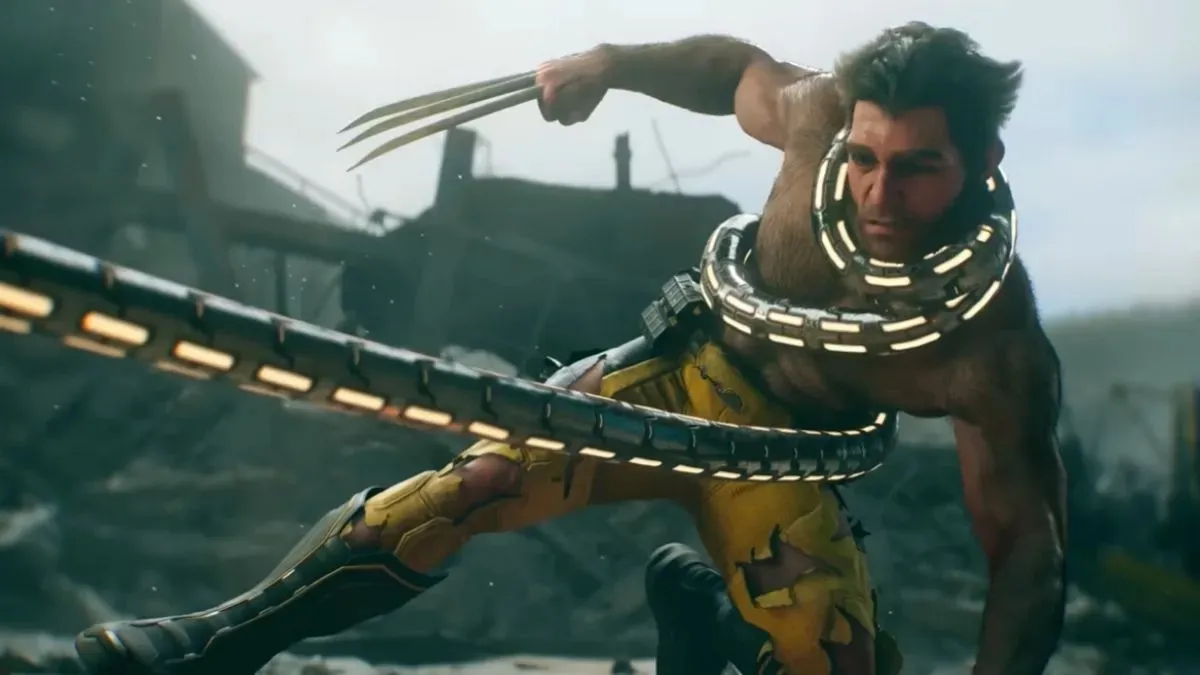
After the studio’s tremendous success with Spider-Man, Insomniac could have easily taken the safe route and simply repeated the same formula. Instead, it chose a completely different character, a darker world, a more personal and dramatic story, and a combat system built around aggression and momentum rather than agility. Marvel’s Wolverine doesn’t want you to simply watch Wolverine fight. It wants you to feel the anger that drives him to fight. With its September 15, 2026 release date approaching exclusively on PS5, the real question remains: can Insomniac transform one of Marvel’s most iconic characters into an experience worthy of his legend?
Or will Logan, even with all those claws, still need one more fight to prove that he’s truly the best at what he does?
Leave a Comment